Comparison of the cyclic fatigue resistance of original and replica-like files: a systematic review and meta-analysis
Article information

Abstract
Objectives
This systematic review and meta-analysis aimed to evaluate the existing literature and quantitatively analyze the cyclic fatigue resistance of original and replica-like nickel-titanium endodontic files.
Methods
A comprehensive search was conducted across four electronic databases up to July 6, 2025, following PRISMA guidelines (PROSPERO: CRD420251086699). The methodological quality of included studies was assessed using criteria adapted from previous in vitro systematic reviews. Publication bias was evaluated using Egger’s test and the trim-and-fill method. A random-effects meta-analysis was performed to compare the cyclic fatigue resistance of original and replica-like files using time to fracture (TTF) and number of cycles to fracture (NCF) as outcomes. These were expressed as standardized mean differences (SMDs) with 95% confidence intervals (CIs). Heterogeneity was analyzed using the I² statistic.
Results
A total of 14 studies involving 1,276 endodontic files (nine original and 31 replica-like types) were included. Based on TTF values, replica-like files showed significantly greater cyclic fatigue resistance than original files (SMD, –0.845; 95% CI, –1.268 to –0.423; p = 0.00). However, NCF-based analysis revealed no statistically significant difference (SMD, –1.532; 95% CI, –3.615 to 0.550; p = 0.149).
Conclusions
Replica-like files exhibited cyclic fatigue resistance comparable to original instruments and may be considered potential alternatives. However, due to high heterogeneity and methodological variability, these findings should be interpreted with caution.
INTRODUCTION
Nickel-titanium (Ni-Ti) endodontic instruments have revolutionized root canal treatment by reducing treatment time, operator fatigue, and procedural errors compared to manual instrumentation [1]. Despite all these advantages, the primary factor limiting the use of Ni-Ti files (65%) has been reported to be cost [2]. Currently, in order to reduce this cost, clinicians are increasingly turning to more affordable systems that are similar to the well-known brand systems [3].
These systems, commonly referred to as replica-like instruments, are characterized by having the same number of files, similar color coding, and comparable instrument nomenclature to the original system, while being manufactured and distributed by independent companies and marketed under different brand identities [4]. Importantly, replica-like systems differ from counterfeit instruments, which unlawfully replicate original products in terms of design, packaging, and branding. Unlike counterfeit systems, replica-like instruments are legally produced and distributed, despite their intentional similarity to original systems in external design features. For example, while ProTaper Universal represents an original system, instruments such as EdgeTaper, U-File, and MultiTaper may be considered replica-like alternatives due to their similarity in file sequence, color coding, and nomenclature, but their distribution under different brand names. In contrast, a system marketed under the same name and packaging as ProTaper Universal would be classified as a counterfeit product [3,4]. Despite the increasing popularity of replica-like systems, there is insufficient scientific data on their overall performance and safety [5].
Regardless of whether they are original or replica-like, fractures of these files within the canal during treatment remain a frustrating complication for clinicians [6,7]. Instrument fractures can occur in two distinct ways: torsional or cyclic fatigue [8]. A torsional fracture occurs when the instrument tip becomes locked in the canal while the shaft continues to rotate, leading to plastic deformation and fracture due to exceeding the metal's elastic limit [9,10]. On the other hand, cyclic fatigue occurs during the shaping of curved canals, when the instrument is subjected to repeated cycles of tension and compression, eventually surpassing its maximum flexural capacity [11,12]. Fracture due to cyclic fatigue has been reported to play a more significant role in instrument separation compared to torsional failure [13,14]. In this context, although studies have been conducted on the cyclic fatigue resistance of both original and replica-like files, to the best of our knowledge, no comprehensive review is available.
The aim of this systematic review and meta-analysis is to evaluate the existing literature and quantitatively analyze the cyclic fatigue resistance of original and replica-like Ni-Ti files. The null hypothesis (H0) tested is that there is no statistically significant difference in cyclic fatigue resistance between original and replica-like endodontic files.
METHODS
Protocol and registration
This systematic review and meta-analysis were conducted in accordance with the PRISMA (Preferred Reporting Items for Systematic Reviews and Meta-Analyses) guidelines [15]. The protocol of this study was registered in the PROSPERO International Prospective Register of Systematic Reviews (CRD420251086699).
Research question and eligibility criteria
This systematic review and meta-analysis focused on comparing the cyclic fatigue resistance of original and replica-like endodontic files. In this context, the PICOS question was structured as follows: Population (P): Ni-Ti endodontic instruments; Intervention (I), instrumentation of the Ni-Ti files within artificial root canals; Comparison (C), original vs replica-like files; Outcome (O), cyclic fatigue resistance; Study Design (S), laboratory studies.
The following criteria were used for the inclusion of studies in this systematic review and meta-analysis:
• Articles providing complete statistical data without inconsistent measurements,
• Articles in which the definition of replica-like files was clearly stated, and the selection criteria were described,
• In vitro studies that compared both original and replica-like files within the same experimental setup,
• Articles that compared the cyclic fatigue resistance of original and replica-like files using a standardized testing device.
Information sources and search strategy
The search terms were determined by two independent reviewers (EBC, MU) to encompass all terms related to original and replica-like files. The search terms and their equivalent Medical Subject Headings terms were searched in the following databases: MEDLINE (PubMed), Scopus, Web of Science, and Google Scholar. The search was limited to English-language articles published up until July 6, 2025. Additionally, a manual search was conducted by reviewing the references of the included studies (Table 1).
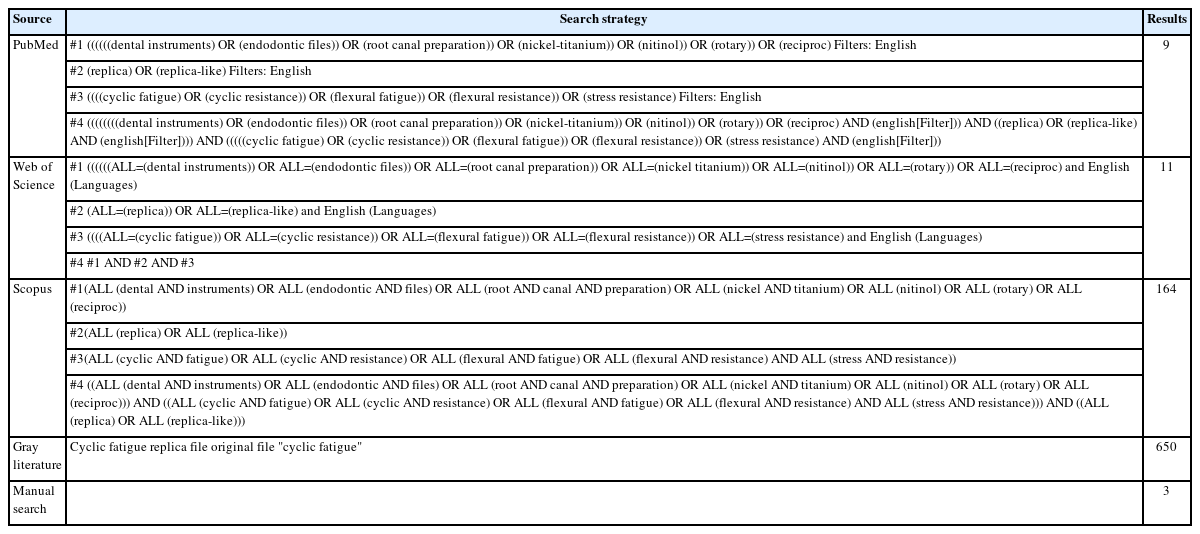
Search results
Screening and data extraction
The results from the databases were imported into Mendeley Reference Manager (Elsevier, Amsterdam, Netherlands), and duplicate records were removed. The remaining studies were then transferred to Microsoft Excel (Microsoft, Redmond, WA, USA), where additional duplicates were manually eliminated. Two independent reviewers (EBC and MU) conducted full-text assessments of the articles identified after title and abstract screening. Any discrepancies or questionable evaluations were resolved through consultation with a senior reviewer (F.C.). Following the full-text review, data extraction was performed using a standardized data collection form. The information obtained from the included studies consisted of: author, year of publication, sample size, instrument name, motion type (rotary or reciprocating), taper, tip diameter, speed, torque, the structure and dimensions of the artificial canal (inner diameter, curvature angle, radius of curvature), test temperature, experimental setup (static or dynamic), and outcome (number of cycles to fracture [NCF], time to fracture [TTF]).
Risk of bias assessment
The methodological quality of the included studies was assessed using a modified version of the quality appraisal criteria derived from previous systematic reviews conducted for in vitro studies [16,17]. The methodological assessment was performed independently by two authors (EBC and MU). In cases of disagreement, an experienced reviewer (F.C.) was consulted to reach a consensus. The evaluation criteria were as follows: (1) sample size calculation, (2) randomization, (3) standardization of the cyclic fatigue testing model, (4) test temperature, (5) blinding of the operator, (6) standardization of file and artificial root canal dimensions, (7) following to the manufacturer’s instructions, and (8) appropriate statistical analysis. In this eight-item checklist, a score of 1 indicated low risk of bias and 0 indicated high risk of bias. A score of 6 or higher was considered low risk of bias, 4 or 5 was considered moderate risk, and 3 or lower was considered high risk of bias.
Data synthesis
A random-effects meta-analysis was conducted to compare the cyclic fatigue resistance of original and replica-like endodontic files. All statistical analyses were conducted using the Comprehensive Meta-Analysis software (CMA, version 2.0; Biostat, Englewood, NJ, USA). The cyclic fatigue resistance of original and replica-like files was evaluated by measuring TTF and the NCF. These continuous outcomes (TTF and NCF) were expressed as standardized mean differences (SMDs) with 95% confidence intervals (CIs). The assessment of heterogeneity involved a detailed examination of the characteristics of the included studies and the utilization of the I² statistic. Depending on the I² value, heterogeneity was classified as low (25%), moderate (50%), and high (75%). To investigate potential sources of heterogeneity, a subgroup analysis was conducted. Publication bias was assessed through examination of funnel plots using the trim-and-fill method and quantitatively evaluated using Egger’s regression test, with a significance threshold set at p ≤ 0.
RESULTS
Search results
The PRISMA flow diagram illustrating the stages of study inclusion and exclusion is shown in Figure 1. A total of 837 records were identified through database searches and manual searching. After removing 183 duplicates, 628 records were excluded during title and abstract screening. Full-text access to four articles could not be obtained. The remaining 25 articles were assessed in full text based on the predefined inclusion criteria.
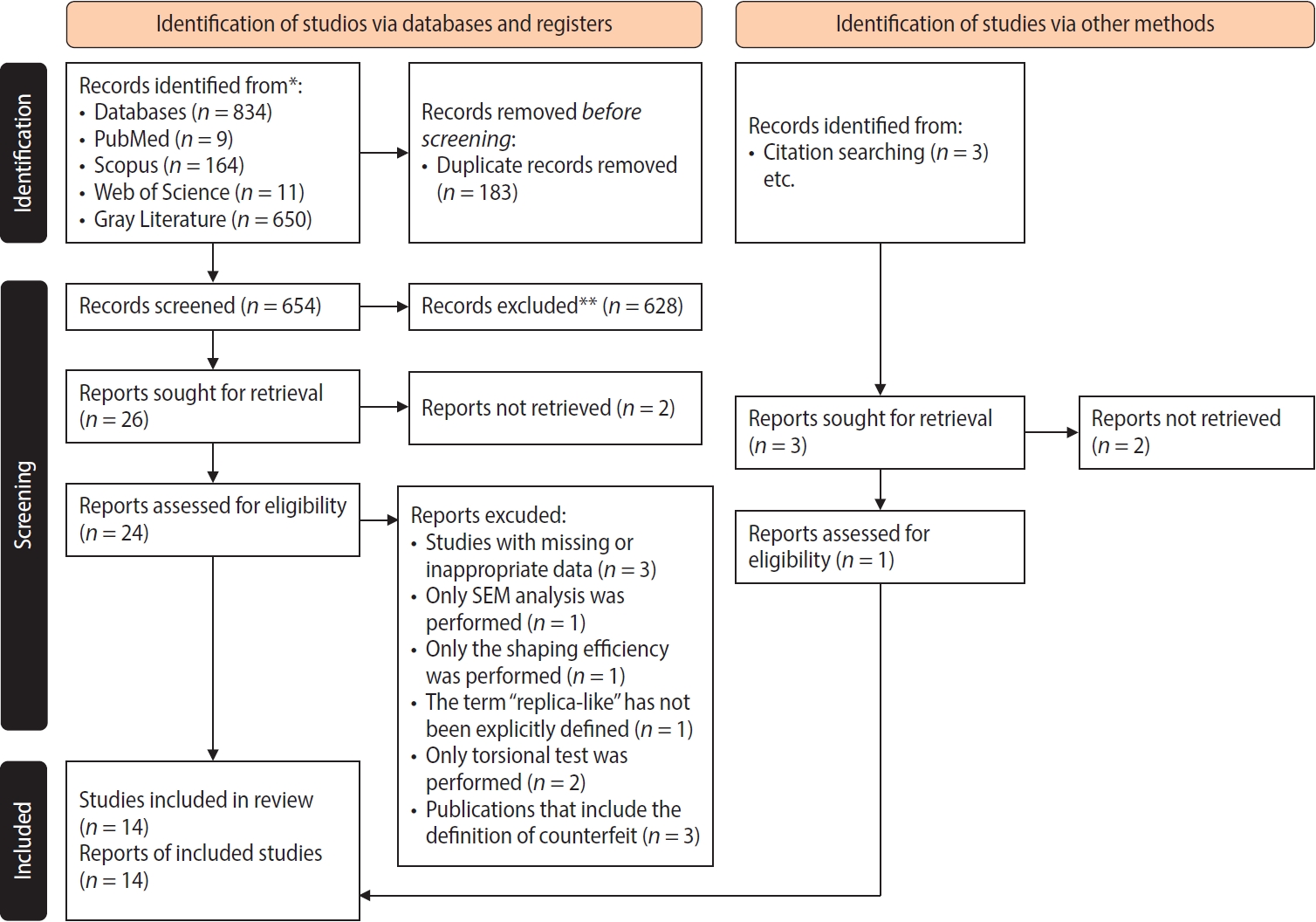
PRISMA (Preferred Reporting Items for Systematic Reviews and Meta-Analyses) flow chart for study selection. SEM, standard error of mean.
Three studies were excluded from the analysis due to the absence of standard deviation values, despite reporting mean values [18–20]. One study was excluded because it did not clearly define the term “replica-like” [21]. One study was also excluded because it included only scanning electron microscope (SEM) analysis and did not evaluate cyclic fatigue resistance [22]. Additionally, three studies comparing the shaping efficiency and torsional resistance of replica-like and original instruments were also excluded from the meta-analysis [23–25]. Finally, three studies that used the term “counterfeit” instead of “replica-like” were also excluded [26–28]. As a result, a total of 14 studies were included in the meta-analysis [3–5,29–39].
Study characteristics
The details of the 14 studies included in the meta-analysis are shown in Table 2. A total of 1,276 endodontic files were evaluated across these studies, comprising nine different types of original files and 31 different types of replica-like files. Rotary systems were used in eight studies [3–5,29–31,34,38], while Reciproc systems (VDW, Munich, Germany) were used in five studies [32,33,36,37,39]. In one study [35], both Reciproc and rotary original systems were compared with their corresponding replica-like counterparts.
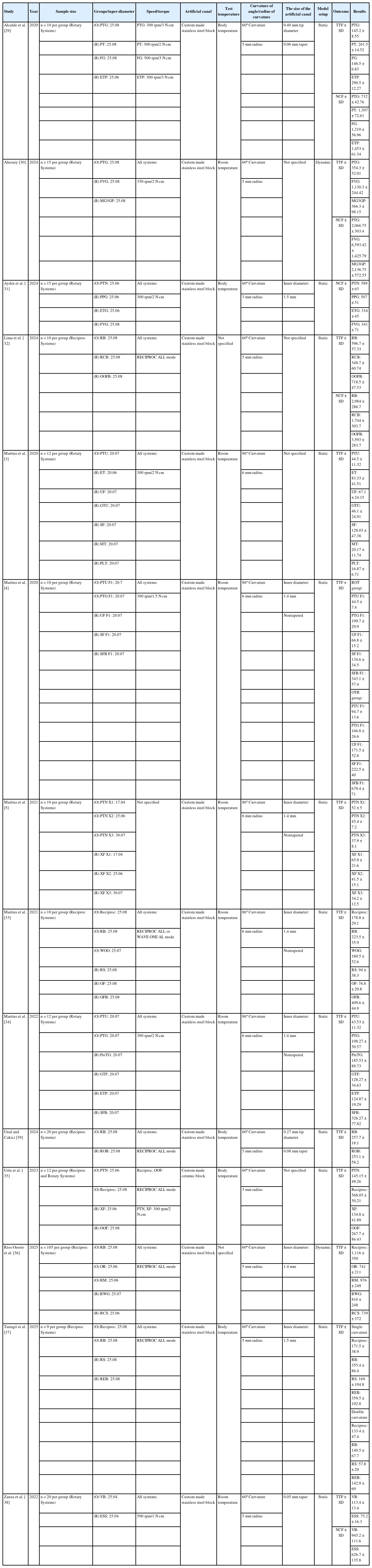
The methodological characteristics of the included studies
In terms of the ambient temperature at which the experimental setup was conducted, it was observed that five studies performed the cyclic fatigue test at body temperature [29,31,35,37,39], while seven studies carried out the test at room temperature [3–5,30,33,34,38]. In two studies, no information was provided regarding the environmental temperature [32,36].
In all studies, the values of the radius and curvature angle of the artificial canal were reported according to the Pruett method; however, information regarding the inner diameter and taper of the artificial canal was not provided in four studies [3,30,32,35]. A static testing model was used in 12 studies [3–5,29,31–35,37–39], while a dynamic testing model was employed in two studies [30,36].
According to the results of cyclic fatigue resistance, nine studies [3–5,33–37,39] used the TTF as the outcome measure, while one study [31] reported the NCF. Four studies [29,30,32,38] provided both NCF and TTF values. In 12 studies [4,5,29–33,35–39], NCF and TTF data were presented as mean and standard deviation, whereas two studies [3,34] reported the data as median and interquartile range. The data from these two studies were converted into mean and standard deviation values using the formula proposed by Wan et al. [40].
Risk of bias
The results of the risk of bias assessment are shown in Table 3. Six studies [5,31,33,34,38,39] were assessed as having a low risk of bias, while eight studies [3,4,29,30,32,35–37] were considered to have a moderate risk of bias. None of the 14 studies included in the meta-analysis reported randomization of files during use, and in all cases, the operator was not blinded.
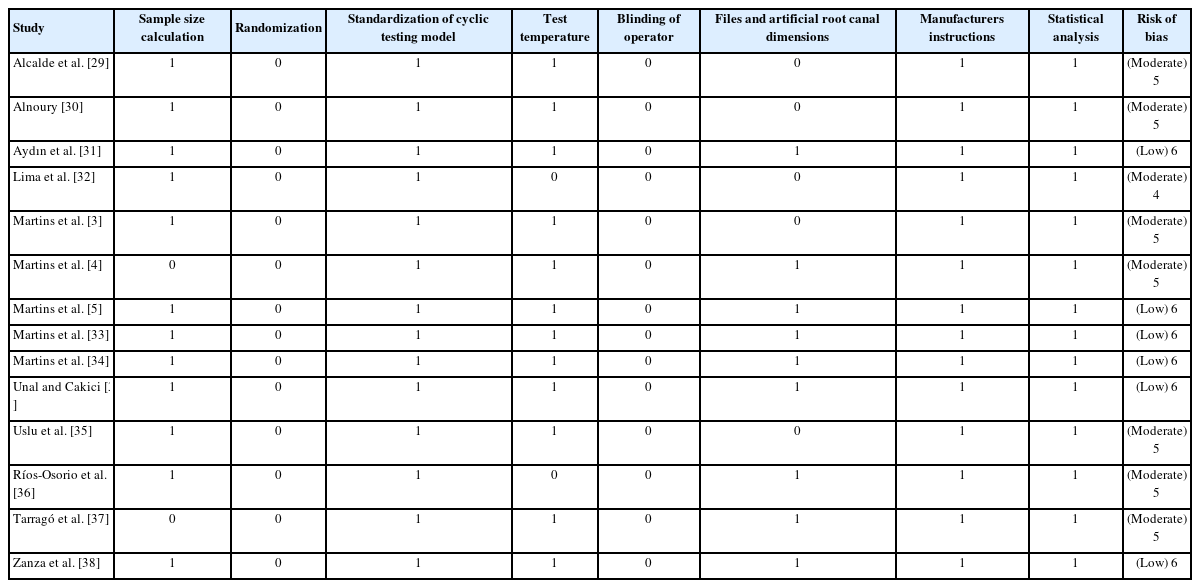
Risk of bias assessment of the included studies
Data synthesis
1. Time to fracture
Comparison data based on TTF were obtained from 13 studies, encompassing a total of 59 original and replica-like endodontic files. In the analysis comparing SMD, a random-effects model with the inverse variance method revealed a statistically significant difference between the original and replica-like groups (p = 0.00), with a summarized SMD of −0.845 (95% CI, −1.268 to −0.423) (Figure 2). Based on the TTF values, the replica-like files exhibited a statistically significantly higher cyclic fatigue resistance compared to the original files.
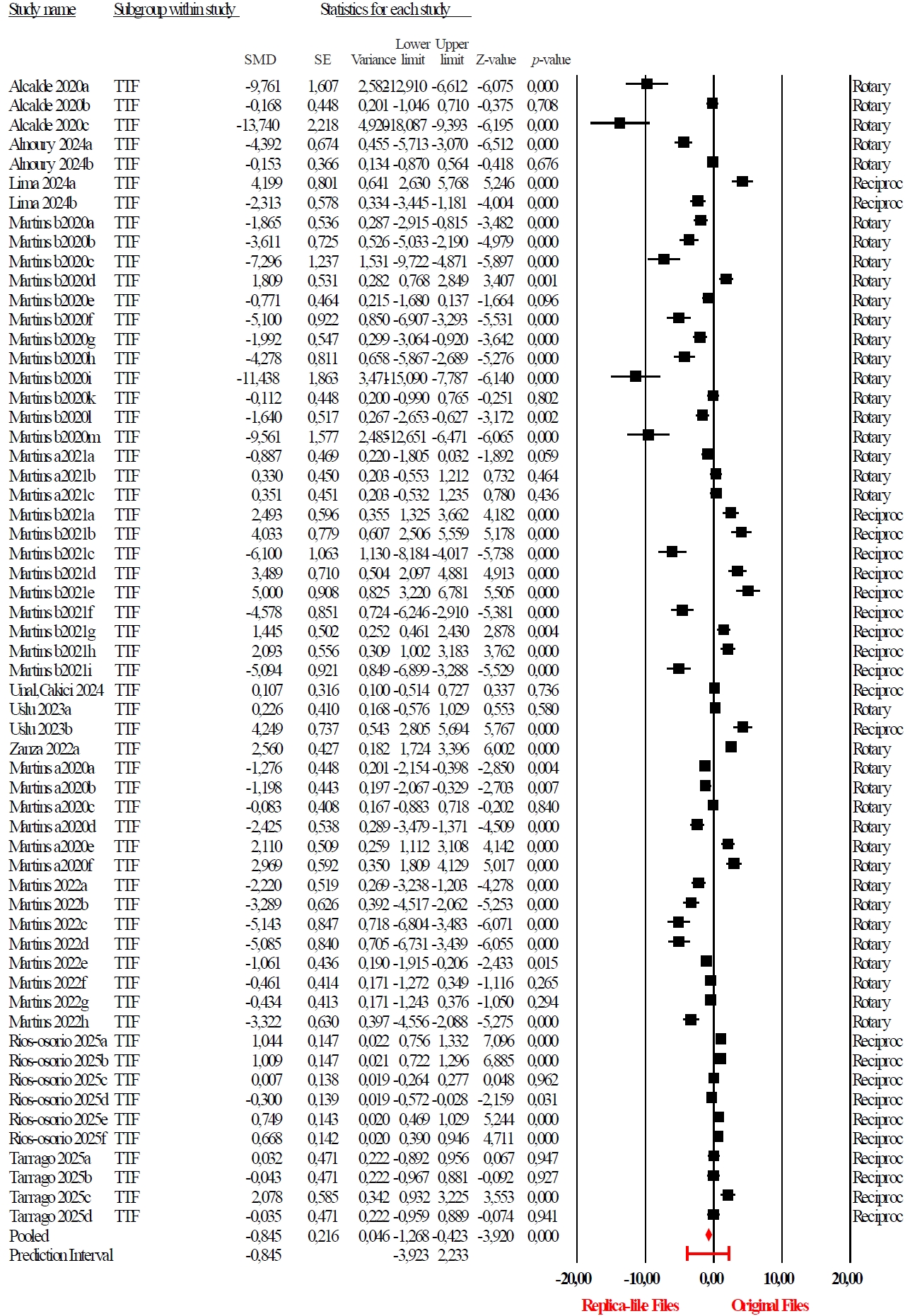
Forest plot analysis based on time to fracture (TTF) values. SMD, standardized mean difference; SE, standard error.
According to Higgins’ I-squared (I²) statistic, a high level of heterogeneity was observed among the studies (I² = 94.615). Moreover, while publication bias was detected according to Egger’s regression test (p = 0.003), no indication of publication bias was observed through the examination of funnel plots using the trim and fill method (Figure 3A). To explore and reduce the sources of heterogeneity, subgroup analyses were performed based on the type of file motion and the testing temperature.
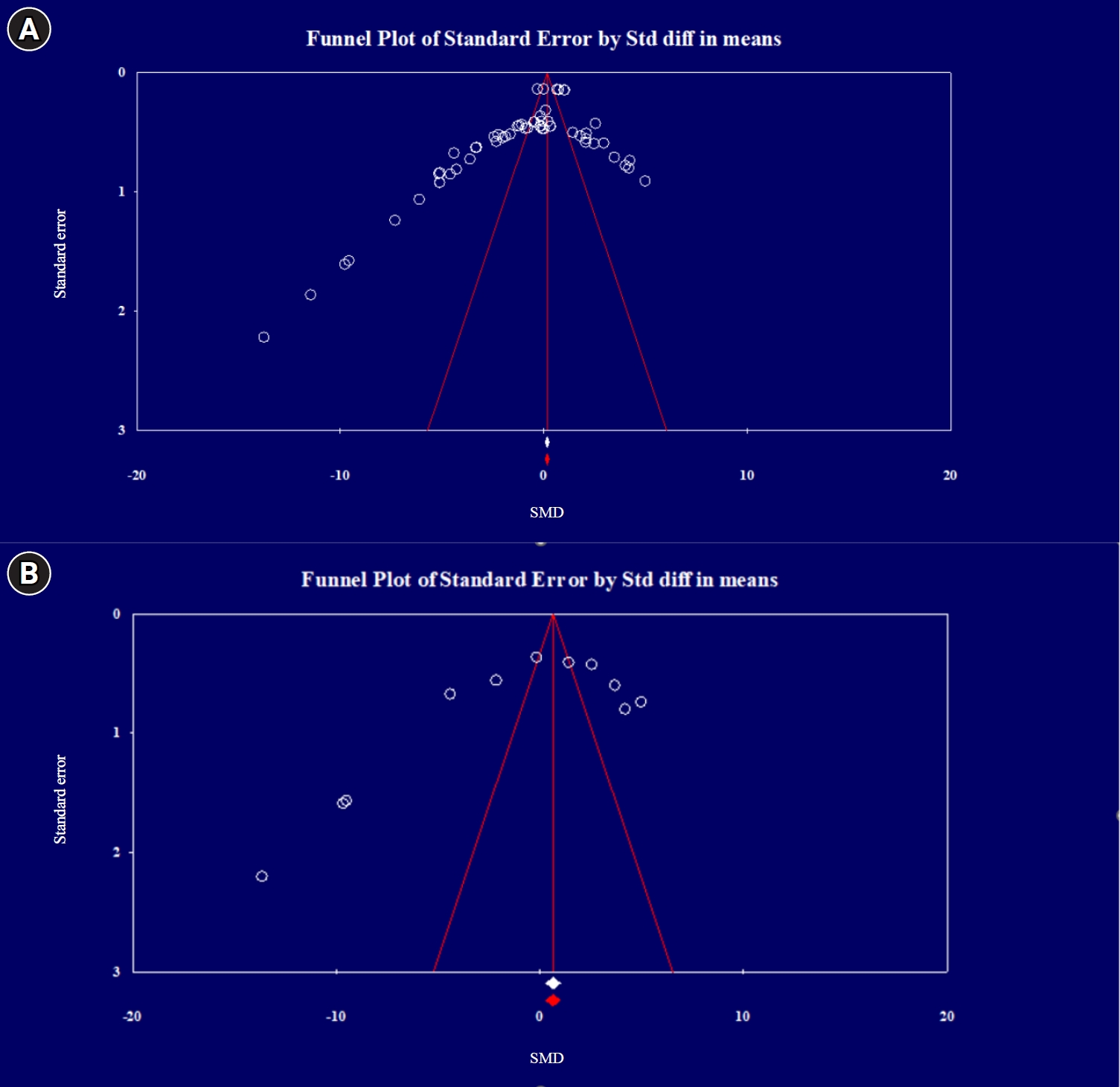
Funnel plot generated following the application of the trim-and-fill method for the assessment of publication bias. (A) Studies containing time to fracture values. (B) Studies containing the number of cycles to fracture values. SMD, standardized mean difference; SE, standard error.
According to the subgroup analysis based on file kinematics, 36 out of the 59 comparison data sets involved rotary files, while 23 involved comparisons between original and replica-like reciprocating files. The subgroup analysis revealed that file kinematics were significantly associated with the comparison between original and replica-like instruments (Q-value, 36.797; p = 0.00) (Figure 4). Replica-like rotary files exhibited a statistically significantly higher cyclic fatigue resistance compared to original rotary files (SMD, −1.819; 95% CI, −2.331 to −1.306; p = 0.00, I² = 93.5). In contrast, original reciprocating files demonstrated a statistically significantly higher cyclic fatigue resistance compared to replica-like reciprocating files (SMD, 0.673; 95% CI, 0.052 to 1.293; p = 0.034, I² = 93.8). While the overall analysis indicated that replica-like instruments exhibited significantly higher TTF values compared to original instruments (SMD, –0.845; p = 0.00), this difference lost statistical significance in the subgroup analysis based on kinematic motion (SMD, –0.579; p = 0.642). This suggests that the performance of original and replica instruments may vary depending on the type of motion employed, which could be a contributing factor to the heterogeneity observed across studies.
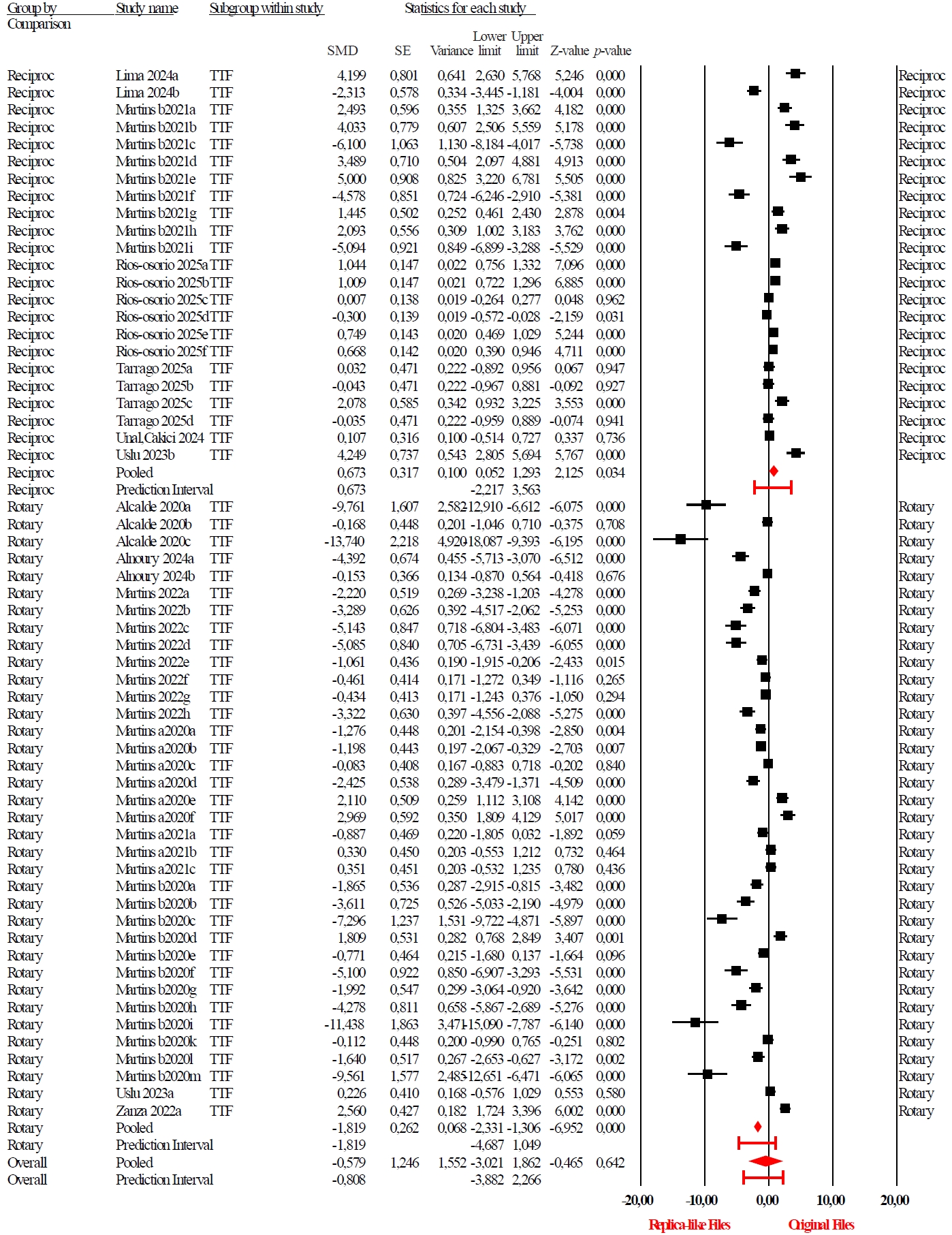
Subgroup analysis of time to fracture (TTF) according to instrument kinematics. SMD, standardized mean difference; SE, standard error.
In the overall meta-analysis, among the 59 comparison data sets used for the evaluation of TTF, eight comparison data sets derived from the studies by Lima et al. [32] and Ríos-Osorio et al. [36] were excluded from the temperature-based subgroup analysis because the experimental testing temperature was not reported. Consequently, a total of 51 comparison data sets were included in the temperature-related subgroup analysis, of which 41 were conducted at room temperature and 10 at body temperature.
The subgroup analysis demonstrated that the testing temperature was not significantly associated with the comparison between original and replica-like instruments (Q-value, 1.126; p = 0.289) (Figure 5). Replica-like files exhibited a statistically significantly higher cyclic fatigue resistance than original files under room temperature conditions (SMD, −1.404; 95% CI, −2.145 to −0.664; p = 0.00, I² = 94.4%). In contrast, no statistically significant difference in cyclic fatigue resistance was observed between original and replica-like files in comparisons conducted at body temperature (SMD, −0.631; 95% CI, −1.853 to 0.592; p = 0.312, I² = 92.4%).
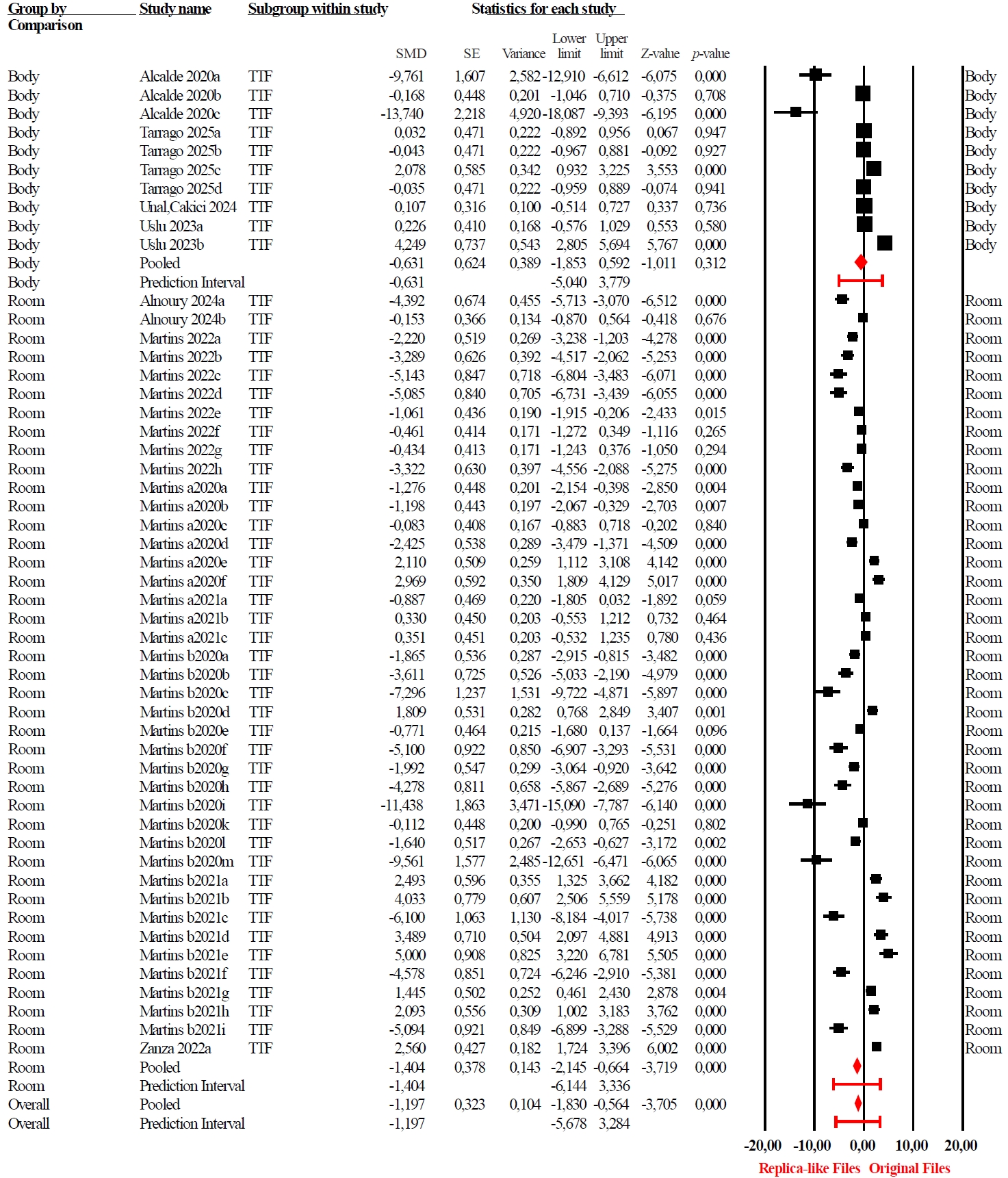
Subgroup analysis of time to fracture (TTF) according to testing temperature. SMD, standardized mean difference; SE, standard error.
2. Number of cycles to fracture
Comparison data based on the NCF were obtained from five studies, encompassing a total of 11 original and replica-like endodontic files. A meta-analysis using a random-effects model and the inverse variance method for the comparison of standardized mean differences revealed no statistically significant difference between the original and replica-like groups (p = 0.149), with a summarized SMD of −1.532 (95% CI, −3.615 to 0.550) (Figure 6). According to the NCF values, no statistically significant difference in cyclic fatigue resistance was observed between the replica-like and original files.
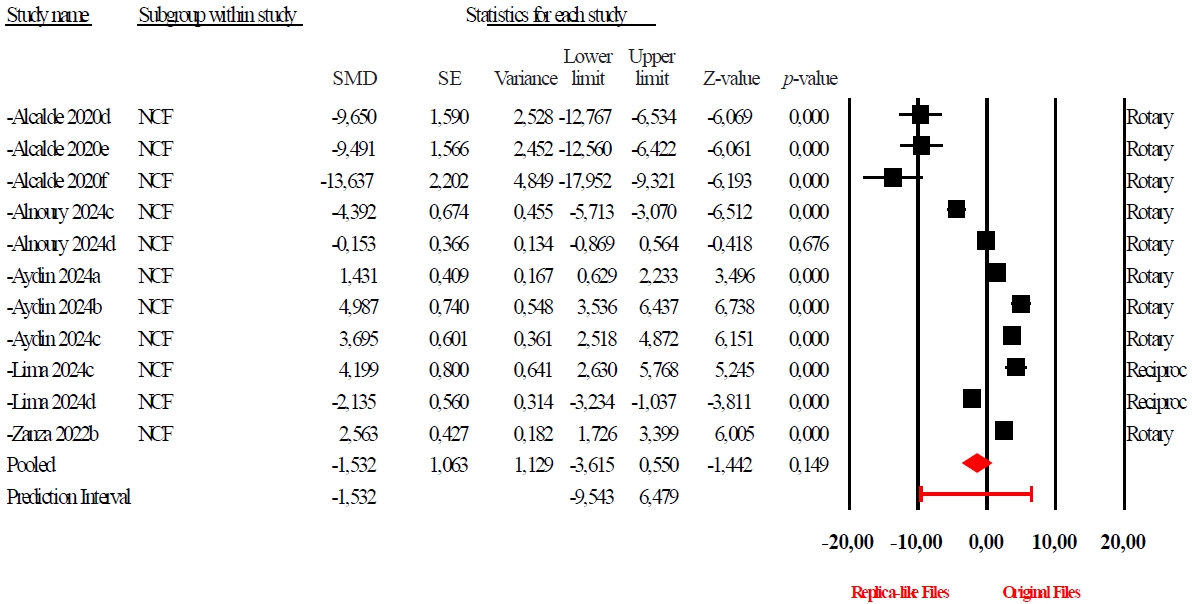
Forest plot analysis based on the number of cycles to fracture (NCF) values. SMD, standardized mean difference; SE, standard error.
According to Higgins’ I² statistic, a high level of heterogeneity was observed among the studies (I² = 96.824). However, no evidence of publication bias was detected based on Egger’s regression test (p = 0.132) and the examination of funnel plots using the trim and fill method (Figure 3B). To explore and reduce the sources of heterogeneity, subgroup analyses were performed based on the type of file motion and the testing temperature.
According to the subgroup analysis based on file kinematics, nine out of the 11 comparison datasets involved rotary files, while two involved comparisons between original and replica-like reciprocating files. The subgroup analysis indicated that file kinematics were not significantly associated with the comparison between original and replica-like files (Figure 7) (Q-value, 1.228; p = 0.268). No significant difference was observed in cyclic fatigue resistance between replica-like rotary files and original rotary files (SMD, –2.178; 95% CI, –4.618 to 0.262; p = 0.08, I² = 97). Similarly, the comparison between replica-like reciprocating files and original reciprocating files did not yield a statistically significant result (SMD, 0.993; 95% CI, –4.056 to 6.042; p = 0.70, I² = 97.6).
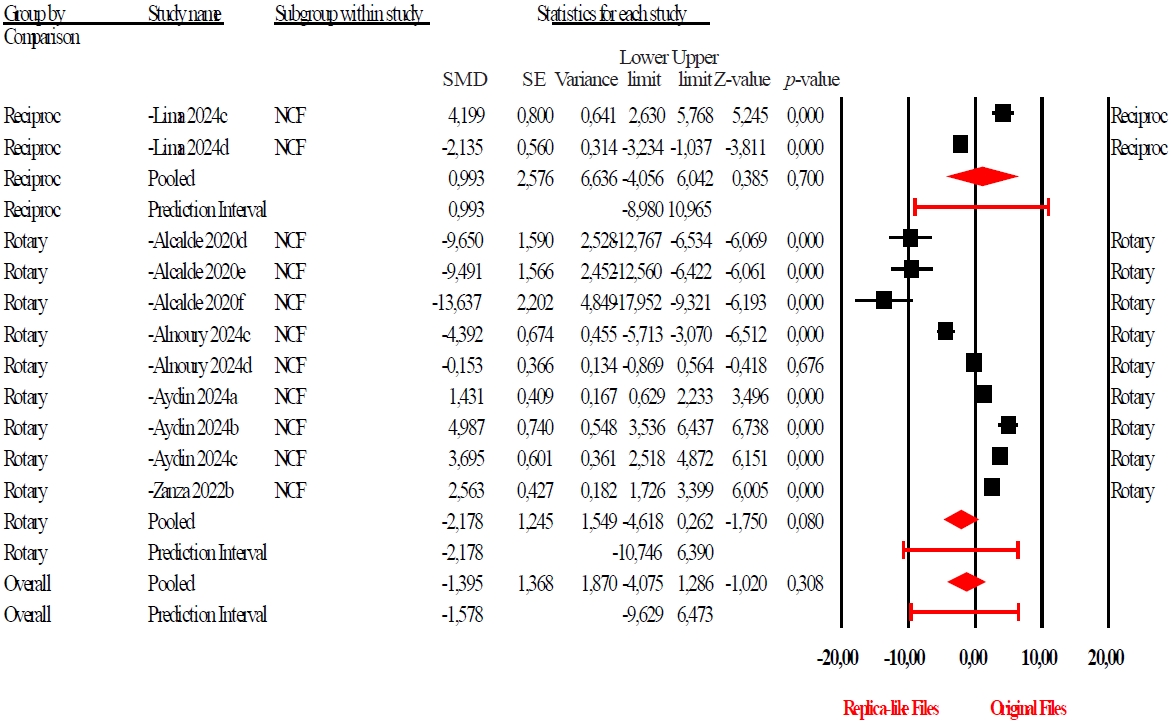
Subgroup analysis of the number of cycles to fracture (NCF) according to instrument kinematics.
In the overall meta-analysis, among the 11 comparison data sets used for the evaluation of the NCF, two comparison data sets from the study by Lima et al. [32] were excluded from the temperature-based subgroup analysis because the experimental testing temperature was not reported. Consequently, nine comparison data sets were included in the temperature-related subgroup analysis, of which three were conducted at room temperature and six at body temperature.
The subgroup analysis indicated that the testing temperature was not significantly associated with the comparison between original and replica-like instruments (Q-value, 1.05; p = 0.305) (Figure 8). No statistically significant difference in cyclic fatigue resistance was observed between replica-like and original files in comparisons conducted at either room temperature (SMD, −0.62; 95% CI, −3.926 to 2.685; p = 0.713, I² = 97.4%) or body temperature (SMD, −3.339; 95% CI, −7.353 to 0.675; p = 0.103, I² = 97.2%).
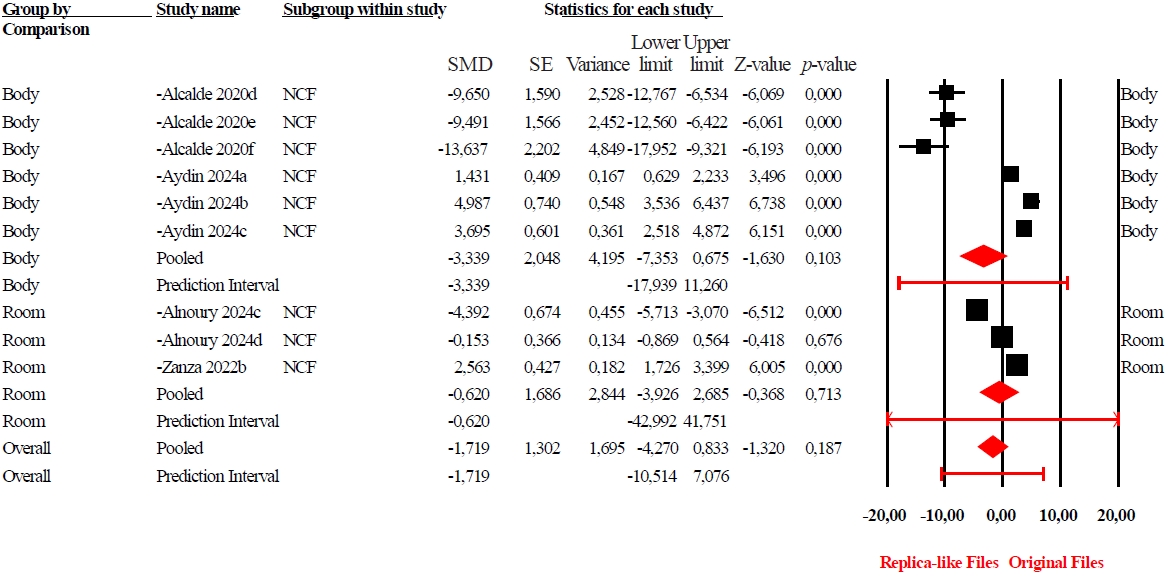
Subgroup analysis of number of cycles to fracture (NCF) according to testing temperature. SMD, standardized mean difference; SE, standard error.
DISCUSSION
Endodontic instruments with structural similarities to those manufactured by leading and well-established companies, typically originating from India and China, have been used in endodontics for a considerable period. These instruments were first systematically defined as replica-like by Martins et al. [4]. The criteria for classification as replica-like instruments include having the same number of files as the original system, identical color coding, and similar nomenclature to the original brand. In some studies, instruments that entirely mimic the original systems and are marketed under the same name have also been evaluated. These instruments have been defined as counterfeit files by Rodrigues et al. [28] and have been shown to exhibit inferior mechanical and metallurgical properties compared to the original systems. Furthermore, the use of such counterfeit systems has been associated with patent infringement and potential risks to patient safety, as consistently reported across multiple studies [26–28]. In the present systematic review and meta-analysis, studies evaluating counterfeit files were excluded, whereas only those instruments that met the criteria for replica-like systems were included.
Cyclic fatigue resistance can vary depending on numerous factors, including the type and size of the instrument, testing temperature, experimental setup, and the dimensions of the artificial canal [41–44]. The high number of influencing variables, along with the absence of a universally accepted standardized protocol for cyclic fatigue testing, limits the number of eligible meta-analyses on this topic and contributes to increased heterogeneity among studies. Given that it is not feasible to control all variables simultaneously, only studies that evaluated original and replica-like instruments under internally standardized experimental conditions were included in the present meta-analysis.
Due to the indication of substantial heterogeneity, a random-effects model was applied. To further explore potential sources of heterogeneity, subgroup analyses were performed based on kinematic motion (reciprocating vs. rotary) and testing temperature (room temperature vs. body temperature). In the included studies, cyclic fatigue resistance was reported using two different outcome measures: NCF and TTF. Because these outcome measures are not methodologically equivalent and may differentially influence the interpretation of results, two separate meta-analyses were conducted according to each outcome.
Based on NCF values, no statistically significant difference in cyclic fatigue resistance was observed between original and replica-like instruments. In contrast, the overall analysis based on TTF values suggested that replica-like instruments tended to exhibit higher cyclic fatigue resistance compared to original instruments. Accordingly, the null hypothesis (H0) was only partially rejected. However, this discrepancy between NCF- and TTF-based findings warrants careful interpretation.
One possible explanation for this inconsistency is the inherent methodological limitation of TTF as an outcome measure. Unlike NCF, TTF values are directly influenced by the rotational speed (rpm) applied during testing. In studies where different rpm values are used for original and replica-like instruments, TTF-based comparisons may be biased, as instruments operating at higher rotational speeds are expected to reach fracture in a shorter time. This limitation is exemplified by the study of Alcalde et al. [29], included in the present meta-analysis, in which original and replica-like instruments were tested at different rotational speeds. Under such conditions, TTF outcomes may underestimate cyclic fatigue resistance independently of the intrinsic mechanical properties of the instruments. In contrast, NCF calculations inherently normalize results by accounting for rotational speed and are therefore less susceptible to rpm-related bias. Consequently, NCF-based findings may represent a more standardized and methodologically robust indicator of cyclic fatigue resistance across studies employing different kinematic parameters.
Previous studies have attributed the relatively higher cyclic fatigue resistance observed in some replica-like instruments to factors such as smoother surface morphology and a higher proportion of martensitic phase, as demonstrated by SEM and metallurgical analyses [3–5,33]. A smoother surface finish has been consistently associated with improved cyclic fatigue resistance [45–47]. Additionally, deviations in taper and tip diameter from the original instruments have been reported for replica-like systems [39]. Given that smaller taper and reduced tip size are known to enhance cyclic fatigue resistance [48–50], such dimensional differences may contribute to improved fatigue performance under certain testing conditions. However, these findings should not be interpreted as evidence of universal superiority, but rather as indicators that replica-like instruments may exhibit comparable or, in specific experimental settings, higher cyclic fatigue resistance.
Another noteworthy point is the influence of artificial canal dimensions on cyclic fatigue resistance. While four of the included studies [3,30,32,35] did not provide any information regarding the size of the artificial canal, the remaining 10 studies [4,5,29,31,33,34,36–39] evaluated original and replica-like instruments using a single type of artificial canal. In a study evaluating the cyclic fatigue resistance of the same file type in artificial canals of varying dimensions, it was reported that an increase in canal size was associated with prolonged TTF [51]. In another study, two different instruments with the same taper and tip diameter were tested in an artificial canal that was not dimensionally compatible with their sizes. It was observed that the instruments followed different trajectories due to differences in their bending properties [52]. This resulted in variations in the degree and radius of curvature experienced by each instrument within the artificial canal. Therefore, dimensional discrepancies between original and replica-like instruments and their compatibility with the artificial canal may have influenced the outcomes. It is believed that evaluating original and replica-like instruments in artificial canals specifically designed to match their respective dimensions would provide more consistent and reliable results in future studies.
In the subgroup analysis based on file kinematics, no statistically significant association was observed according to NCF values. However, analysis based on TTF values revealed a significant relationship between file kinematics and the comparison of original and replica-like instruments. In line with the overall results, replica-like instruments demonstrated greater resistance in the rotary group, whereas original instruments exhibited higher resistance compared to their replicas in the reciprocating group. The more complex nature of reciprocating motion compared to rotational motion, along with the greater reliance on proprietary heat treatment protocols, may have prevented replica-like reciprocating systems from keeping pace with such technological advancements. This limitation could have contributed to the observed results favoring original instruments in reciprocating motion. Replica-like systems, which are primarily designed to mimic the appearance of original instruments, may differ from the original systems in several critical aspects, such as cutting-edge design, core diameter, and Ni-Ti alloy composition. These differences, which influence cyclic fatigue resistance [21,53,54], are thought to be more easily compensated for in continuous rotational motion due to its predictable 360° stress distribution. However, in reciprocating motion, where the direction of rotation changes, increased contact with canal walls and higher stress accumulation may occur, making it more difficult for replica-like systems to compensate for such structural differences.
Subgroup analyses based on testing temperature provided further insight into the influence of experimental conditions on cyclic fatigue outcomes. Consistent with the overall findings of the present meta-analysis, NCF-based comparisons revealed no statistically significant difference in cyclic fatigue resistance between original and replica-like instruments at either room temperature or body temperature. In contrast, TTF-based analyses demonstrated that replica-like instruments exhibited higher cyclic fatigue resistance than original instruments under room temperature conditions, whereas this difference was no longer observed when testing was performed at body temperature. This discrepancy may be partly explained by the temperature-dependent mechanical behavior of nickel-titanium alloys. As emphasized by Savitha et al. [17], cyclic fatigue tests should preferably be conducted at body temperature in order to better simulate clinical conditions and to enhance the clinical relevance of experimental findings. In this context, the attenuation of TTF-based differences at body temperature observed in the present meta-analysis may reflect a more clinically representative assessment of cyclic fatigue resistance.
According to the Egger regression test applied to evaluate publication bias, a publication bias was detected in studies reporting TTF values (p < 0.05), whereas no evidence of publication bias was found in studies reporting NCF values (p > 0.05). Although a slight asymmetry was observed in the funnel plots for both TTF and NCF under the random-effects model using the trim-and-fill method, the analysis indicated that no imputation of missing studies was necessary, as confirmed by the absence of filled circles (Figure 3). These findings suggest that the observed asymmetry is more likely attributable to other factors, such as the high heterogeneity and methodological variability among the included studies, rather than to publication bias itself.
The meta-analyses revealed a high level of heterogeneity for both TTF and NCF data (I² > 90%), which highlights a key limitation of the present study. Subgroup analyses indicated that this heterogeneity was partially attributable to differences in kinematic motion and testing temperature. However, due to methodological and experimental variability among the included studies, it was not possible to substantially reduce heterogeneity through the exclusion of specific studies. Potential reasons for the high heterogeneity include the wide variation in standard deviations and sample sizes across the included studies, as well as the presence of numerous variables such as differences in testing apparatus, artificial canal parameters, and the diameter, taper, and metallurgical properties of the instruments examined. Taking all of these factors into account, replica-like instruments may be considered potential alternatives to original systems in terms of cyclic fatigue resistance. However, this interpretation should be made with caution in light of the high heterogeneity and methodological variability observed across the included studies. To achieve a more accurate understanding, future research should employ experimental setups designed in accordance with ISO standards, as is currently the case in the evaluation of torsional stress.
CONCLUSIONS
Overall, replica-like instruments exhibited cyclic fatigue resistance comparable to original systems and may be considered potential alternatives rather than superior options; however, due to the high heterogeneity and methodological variability among the included studies, these findings should be interpreted with caution, and further high-quality, well-standardized in vitro studies are required to confirm their clinical relevance.
Notes
CONFLICT OF INTEREST
No potential conflict of interest relevant to this article was reported.
FUNDING/SUPPORT
The authors have no financial relationships relevant to this article to disclose.
ACKNOWLEDGMENTS
We would like to express our gratitude to Elif Bahar Cakıcı for her contributions to this study.
AUTHOR CONTRIBUTIONS
Conceptualization, Formal analysis, Data curation, Visualization: Unal M. Methodology, Investigation: Unal M, Cakıcı F. Validation: Cakıcı F. Resources: Unal M, Cakıcı F. Supervision, Project administration: Cakıcı F. Writing – original draft: Unal M. Writing – review & editing: Unal M, Cakıcı F. All authors have read and approved the final manuscript.
DATA SHARING STATEMENT
The datasets are not publicly available but are available from the corresponding author upon reasonable request.